January 30, 2026
Your pet's first vet visit is an important milestone that lays the foundation for their health and well-being. Taking the time to carefully prepare for this appointment ensures a smooth, stress-free experience for both you and your furry companion. From selecting the right veterinarian to gathering necessary paperwork and acclimating your pet to travel, each step contributes to a positive introduction to veterinary care. Thoughtful preparation not only helps your pet feel secure but also allows the vet to provide the most accurate, comprehensive care possible, setting the stage for a lifetime of wellness and happy, healthy years together.
Choosing the Right Vet
When selecting a vet for your pet, it's crucial to start by researching their credentials. Ensure the veterinarian is licensed and possesses the necessary qualifications to practice veterinary medicine. A qualified vet will provide quality care and address all health concerns skillfully. Additionally, it’s recommended to look for any specialties that might benefit your pet, such as orthopedic or dermatological expertise. This thorough vet credential research is a significant part of ensuring your pet receives optimal healthcare.
After checking vet credentials, evaluating clinic facilities is the next step in selecting the right vet. A well-equipped clinic indicates that your pet will have access to comprehensive care. Facilities should be clean, well-organized, and equipped with state-of-the-art medical technologies. Visiting the clinic beforehand can provide insight into the level of care your pet will receive. Look for a welcoming atmosphere with friendly staff and a waiting area designed to minimize pet stress.
Seeking recommendations from other pet owners can provide invaluable insights when choosing a vet. Friends, family, or online community forums can share their personal experiences and vet reviews. Often, fellow pet owners will give honest feedback about service quality and the overall experience. Nearly all pet owners, about 97%, consider their pets to be cherished members of their family rather than just animals, according to the New York Post.
Scheduling the Appointment
Selecting a convenient date and time for your pet’s vet visit is integral to reducing stress. Consider your schedule as well as your pet's routine when making an appointment. It’s advisable to avoid times when the clinic is typically busy to ensure attention from the vet. A calm and determined appointment time contributes to a smoother vet visit and reduces anxiety for both you and your pet. Always be sure to factor in any potential emergencies or conflicts that could affect the appointment timing.
Understanding the different types of veterinarian appointments ensures you schedule the correct type of visit. Primary appointment types include wellness checks, vaccinations, and acute illness assessments. Inquire whether telemedicine options are available for non-emergency consultations. The right appointment will align with both your pet's needs and the services offered by the vet clinic. This understanding reduces appointment mismatches and helps streamline your pet’s healthcare experience.
Before scheduling a vet appointment, ask about the clinic's policies to align them with your expectations. Policies include cancellation rules, late fees, and specific COVID-19 protocols still in place. Understanding these policies ahead of time allows for a more seamless visit without unexpected surprises. Knowing a clinic’s policies also allows proactive accommodation of any special pet needs. This preparedness is significant for both functionality and peace of mind during the vet visit.
Gathering Necessary Paperwork
Before your pet’s first vet visit, gather all pertinent medical records to provide a complete picture of their health. This information includes records from previous vets, if applicable, which aids the new vet in understanding your pet's medical history. Accessing all records ensures comprehensive care and helps prevent redundant testing. Complete records allow the vet to tailor a specific care plan for your pet. Discuss records directly with your previous vet or have them sent to the new clinic in advance.
Completing new patient forms before the vet visit facilitates a more efficient check-in process. These forms usually ask for information about your pet’s health, behaviors, and any ongoing issues. Taking time to fill in these details accurately enables the veterinarian to have a better grasp of your pet's needs from the onset. Most clinics provide these forms online, allowing for their completion days before the appointment. Early submission of paperwork helps in getting off to a smooth start during your first visit.
Your pet's vaccination history is critical information that needs to be compiled before the vet visit. Ensuring vaccinations are up to date protects not only your pet but also other animals they might interact with at the clinic. Provide this information on the new patient forms or discuss it directly with the vet during the visit. Up-to-date vaccines can prevent disease outbreaks and form part of your pet’s preventive care.
Preparing Your Pet
One of the first steps in preparing your pet for a vet visit is acclimating them to their carrier. A carrier that feels like a safe and comfortable space helps reduce travel anxiety for cats and small dogs. Practicing placing your pet inside their carrier well before the visit normalizes the experience. Using treats or toys as encouragement can help your pet associate the carrier with positive experiences. Familiarizing your pet with the carrier ensures easier transport on the day of the vet appointment.
For many pets, car rides can be an unfamiliar or distressing experience. To prepare for a veterinarian visit, it's important to familiarize your pet with car travel. Start with short trips around the block, gradually increasing the distance as comfort grows. Always maintain a calm environment by avoiding loud music and providing a secure space for your pet. By making car travel a routine and stress-free activity, the journey to the vet will be much smoother for both you and your pet.
Practicing how to handle and restrain your pet is another crucial aspect of preparation. During vet visits, pets are often handled for examination, and pre-visit acclimatization can prevent undue stress. Regularly touch your pet’s ears, paws, and mouth to mimic vet examination procedures. Reinforce positive behavior during practice sessions with treats and praise.
Understanding What to Expect
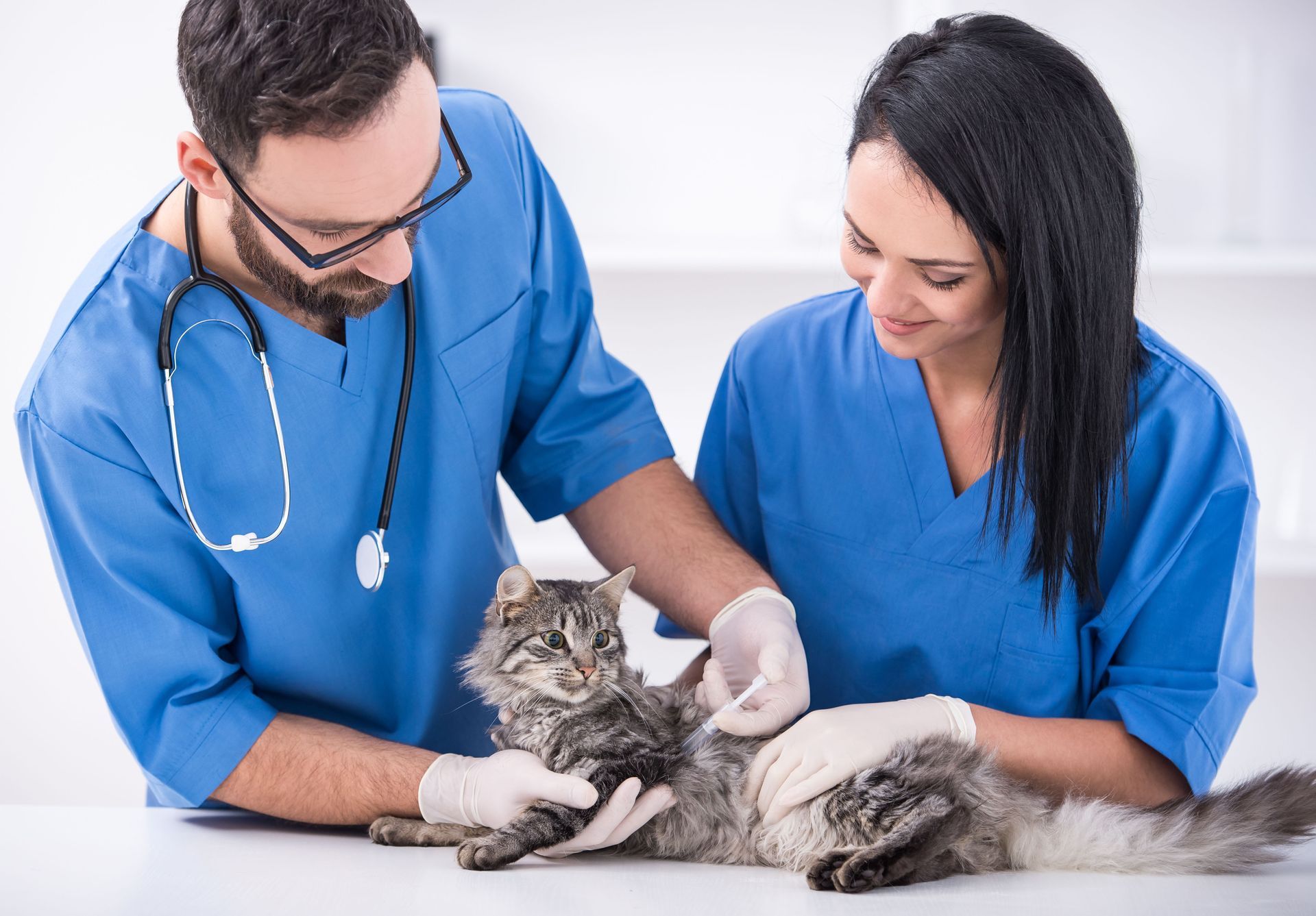
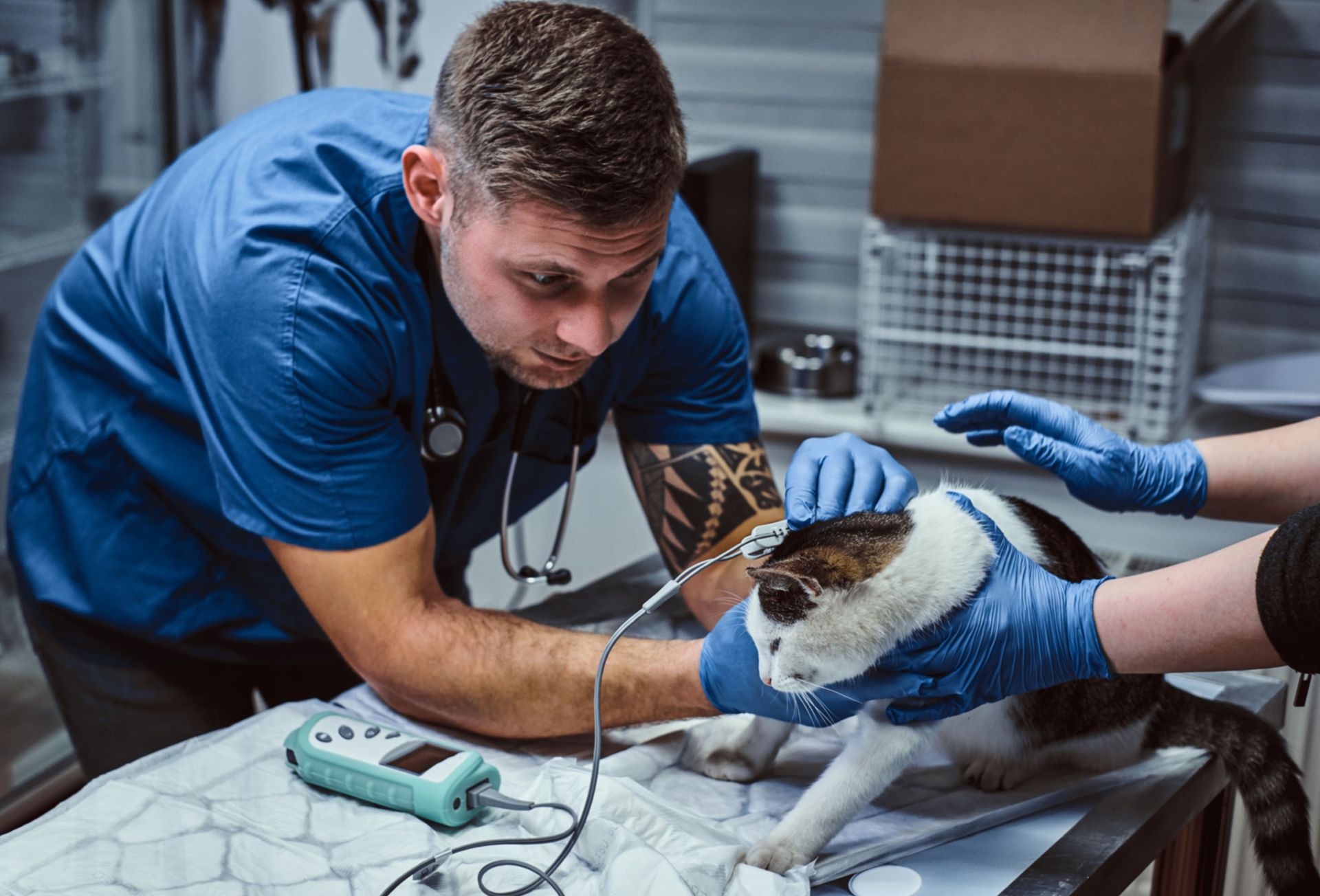
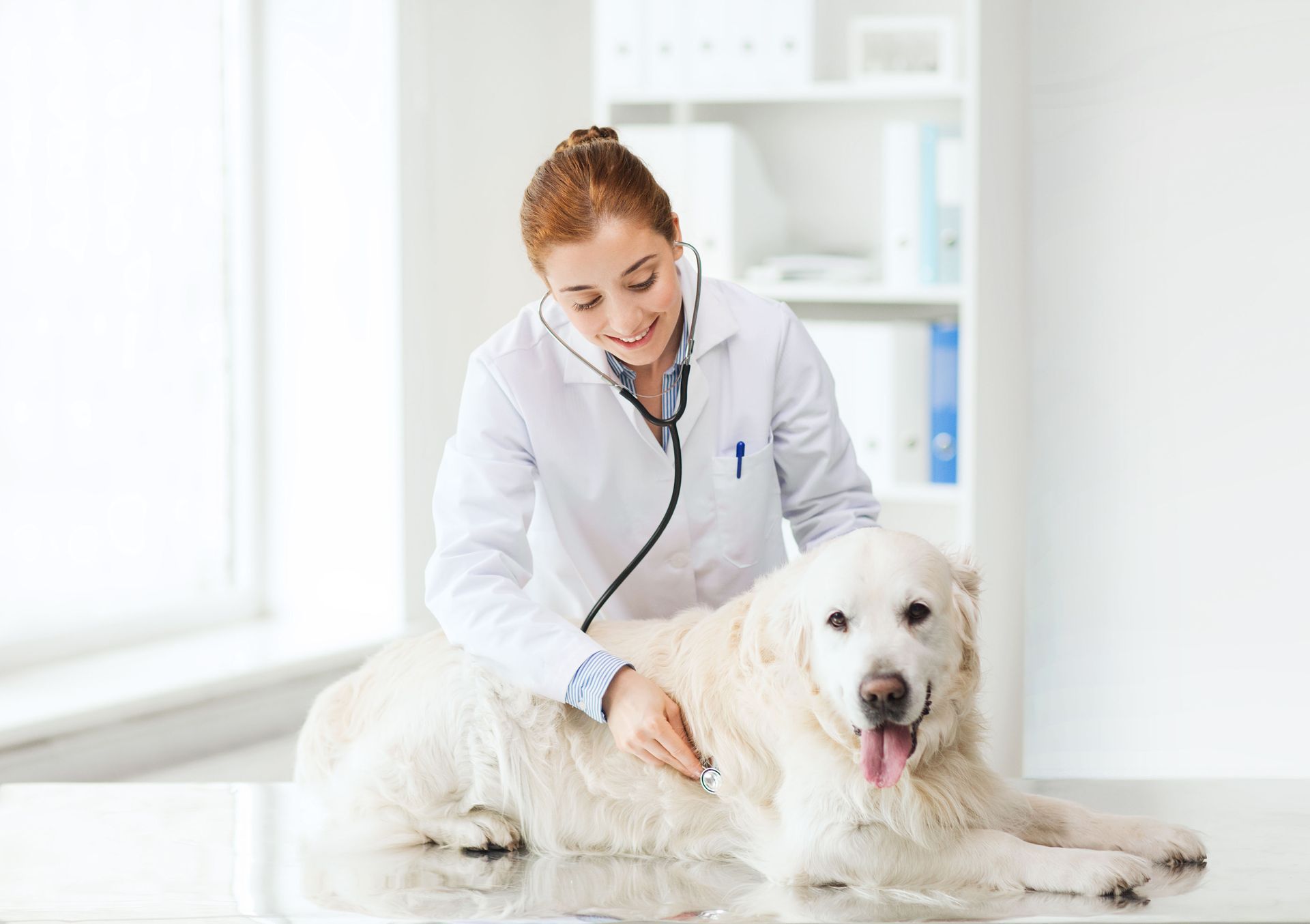
The initial health examination at a veterinarian is a cornerstone of your pet's first vet visit. This examination provides a comprehensive check of your pet’s general health. The vet will check vitals, examine coat and skin, and evaluate overall wellness. Additionally, they might inspect dental health, joint functionality, and weight. Understanding what happens during this examination allows you to communicate relevant concerns effectively.
Discussing any of your pet's health concerns should be a priority during the vet visit. Observations about behavior changes, activity levels, or appetite fluctuations are valuable discussion points for the vet. Recording health observations prior to the visit enables you to efficiently communicate them during the examination. This part of the visit is essential for preemptively catching potential health issues. An open dialogue with your vet establishes a routine of proactive care for your pet’s continued well-being.
By thoroughly preparing for your pet's first vet visit, you can ensure a positive experience that prioritizes their health and comfort. Following these steps builds a foundation for a long-lasting relationship between your pet, your family, and your veterinarian, making future visits easier and less stressful. Prior preparation not only supports your pet’s well-being but also provides peace of mind for you as a responsible pet owner. Don’t wait. Schedule your pet’s first visit with the compassionate team at The Animal Care Center of Ooltewah today to start your pet’s journey toward a lifetime of health and happiness.