July 30, 2026
Pet ownership brings immense joy, companionship, and vitality to households, making animals integral members of the family structure. Owners invest significant energy into selecting premium nutrition, organizing routine exercise, and scheduling regular wellness examinations to maintain the vitality of their beloved animals. However, even the most meticulous preventative care cannot completely eliminate the risk of a sudden illness or accidental injury. Animal medical crises frequently materialize without warning, often during late hours, weekends, or holidays when standard veterinary clinics are closed. Navigating these frantic situations requires immediate access to specialized medical professionals who are prepared to intervene during critical moments. Establishing a relationship with an emergency veterinarian ensures that immediate, life-saving intervention is always accessible, shielding families from the agonizing helplessness of a midnight medical crisis. Families form deep emotional attachments to these creatures, meaning their physical health remains a paramount priority for everyone involved.
Managing Sudden Medical Crises
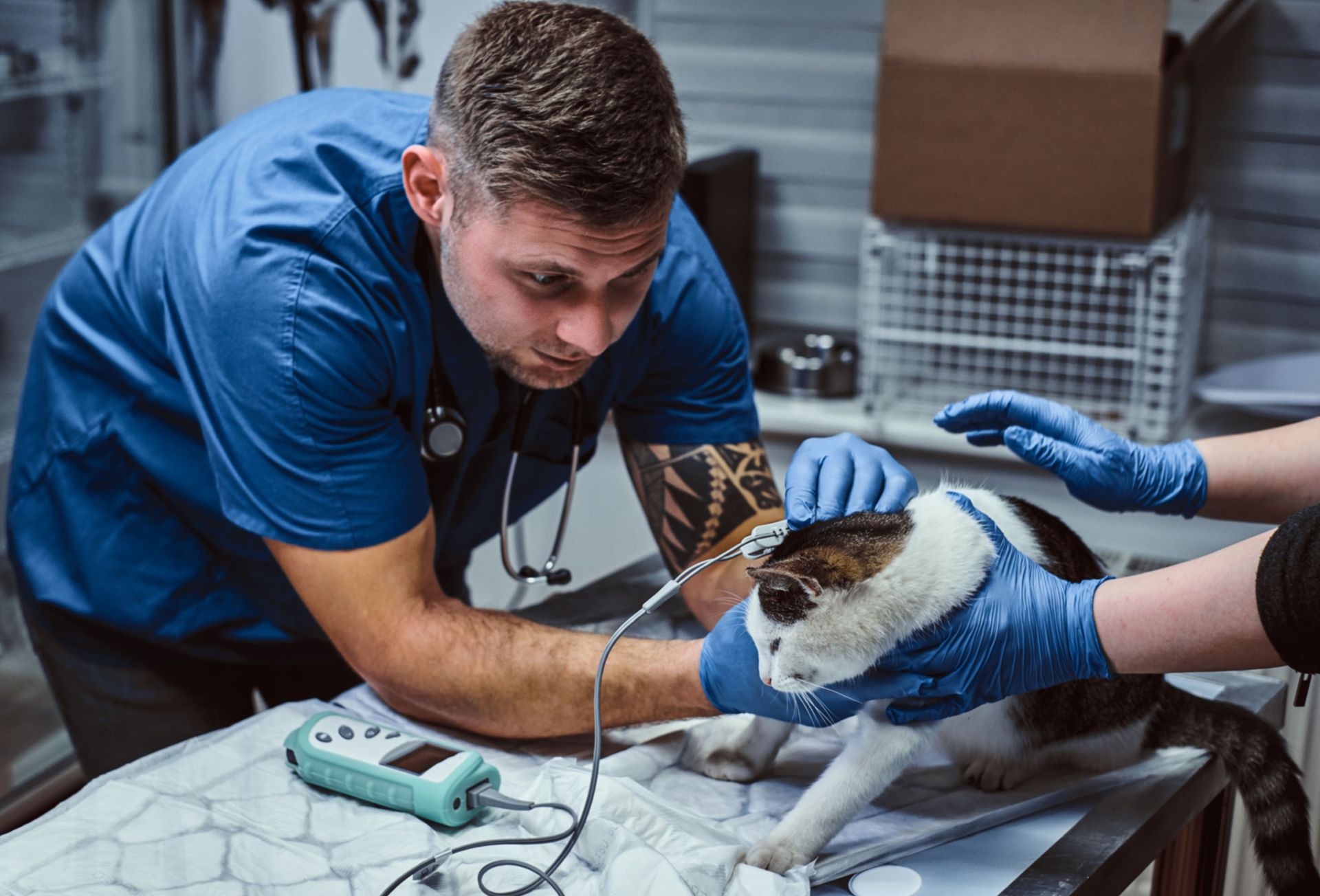
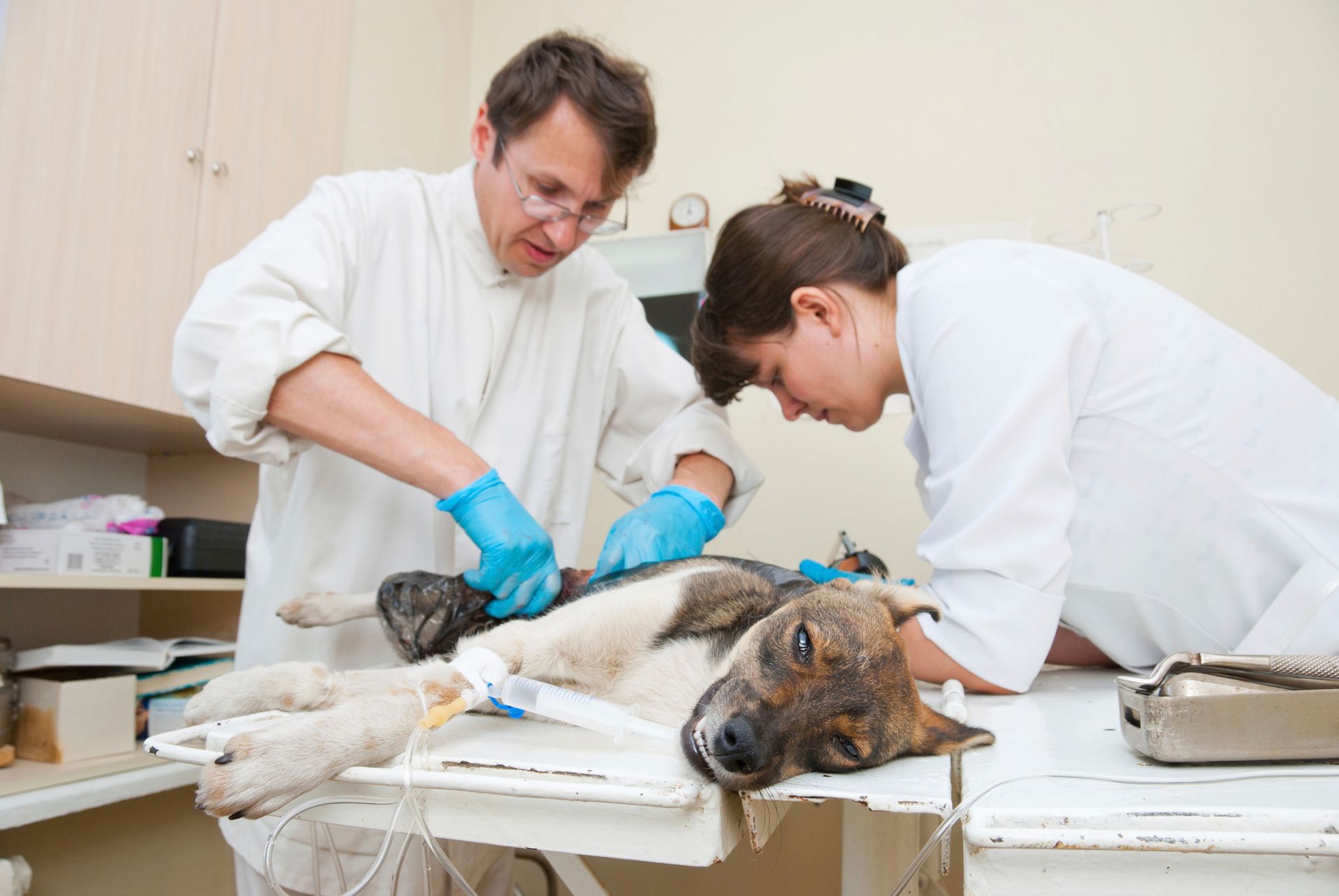
Acute medical conditions in domestic animals can escalate with terrifying speed, turning a seemingly minor symptom into a life-threatening situation within a very brief window. Conditions such as severe toxic ingestions, traumatic physical injuries, acute gastric dilation, or sudden respiratory distress require immediate clinical assessment and stabilization. A standard general practice clinic is perfectly suited for preventative care but may lack the specialized triage infrastructure needed to handle profound trauma or shock simultaneously. Having an emergency veterinarian available means that a highly trained clinical team is standing by to perform immediate triage, administer intravenous therapeutics, and utilize advanced life support protocols without any delay. This immediate readiness can mean the difference between a complete clinical recovery and permanent physiological damage.
Furthermore, these critical situations require advanced diagnostic capabilities that are immediately accessible at any hour of the night or day. When an animal experiences a sudden physical collapse, clinicians must rapidly obtain blood chemistries, perform radiographic imaging, and assess cardiac rhythms to determine the underlying cause. An emergency veterinarian possesses the advanced training and specialized facility required to execute these complex interventions simultaneously. This immediate capability shifts the focus from simple symptom management to aggressive, targeted therapy, which significantly increases the likelihood of a positive clinical outcome for a critically ill pet.
Reducing Caregiver Psychological Stress
The emotional bond between humans and their domesticated companions is incredibly profound, making any sudden animal illness deeply distressing for the entire household. When a pet exhibits signs of severe pain or sudden physical distress, owners frequently experience overwhelming panic, anxiety, and helplessness. According to Sci-Tech-Today, about 57% of pet owners say their pets help reduce stress. Consequently, when those very source animals are suffering from an acute medical crisis, the psychological burden on the human caregiver increases exponentially. Knowing exactly who to call during a midnight veterinary emergency alleviates this paralyzing panic, allowing owners to focus entirely on transporting their companion safely. The profound stress of seeing a beloved creature in agony can easily cloud human judgment during vital moments.
Having access to a dedicated emergency veterinarian provides immense emotional stability during moments of intense domestic chaos. Instead of searching the internet frantically for open clinics or trying unverified home remedies that could worsen the animal condition, owners can rely on an established protocol. Professional triage staff can offer clear, calm guidance over the telephone while the owner is en route to the clinic. This seamless continuity of professional support transforms a chaotic, terrifying event into a managed clinical process, protecting the mental well-being of the family while ensuring the animal receives optimal care.
Eliminating Critical Transport Delays
In a major veterinary medical crisis, time is the most valuable asset, and any minor delay can dramatically alter the ultimate prognosis. When an animal is hemorrhaging, experiencing prolonged seizures, or suffering from a severe systemic allergic reaction, every passing moment matters immensely. If a household does not have a designated emergency veterinarian, valuable time is squandered researching open facilities, checking maps, or calling closed clinics. These frantic logistical delays directly prolong the suffering of the animal and can allow a reversible condition to become entirely fatal. Valuable minutes spent browsing search engines could otherwise be utilized traveling toward life-saving clinical intervention.
By identifying an accessible emergency care facility before a crisis occurs, owners eliminate these dangerous logistical hurdles. They already know the fastest geographic route to the facility, understand the arrival protocols, and possess the contact information pre-programmed into their communications devices. This preparation allows for an immediate departure the moment an emergency manifests, ensuring the animal arrives at the treatment table during the vital early window of clinical intervention. Eliminating transport confusion is an effective way a caregiver can actively contribute to saving a pet's life.
Ensuring Continuous Patient Monitoring
Severe illnesses and major surgical recoveries do not adhere to a standard daytime schedule, often requiring intensive observation through the night. When an animal undergoes major abdominal surgery or requires continuous oxygen therapy, their physiological parameters can fluctuate dangerously from hour to hour. A standard veterinary practice often requires transferring stable patients or lacks the overnight staffing necessary to provide intensive, minute-by-minute monitoring. Utilizing an emergency veterinarian guarantees that a patient is never left unmonitored during the most vulnerable phases of their recovery process. Continuous clinical vigilance is essential for patients recovering from complex surgical procedures or severe physiological trauma.
These specialized emergency facilities operate with dedicated night crews, including veterinary technicians and clinicians who specialize exclusively in critical care medicine. They continuously track vital signs, adjust intravenous fluid rates, administer precisely timed pain medications, and intervene instantly if a patient's condition begins to deteriorate. This level of rigorous, uninterrupted clinical oversight prevents secondary complications from developing unnoticed during the overnight hours. Continuous monitoring ensures that the patient remains stable, comfortable, and properly supported until they can safely return home.
Safeguarding Domestic Companion Health
The ultimate goal of any veterinary intervention is to preserve the longevity and vitality of the animals that share homes. Because domestic companions cannot verbally communicate their discomfort, subtle changes in behavior can signal a rapidly advancing internal emergency. An owner might notice sudden lethargy, refusal to consume water, or an unusual posture that indicates severe internal abdominal pain. Consulting an emergency veterinarian allows for a professional evaluation of these subtle indicators before they manifest as a full systemic collapse. Attentive caregivers recognize that even minor deviations from normal habits can warrant swift professional consultation.
Early professional intervention frequently prevents a minor medical issue from evolving into an irreversible degenerative crisis. By utilizing advanced emergency services, owners ensure that their pets receive comprehensive care tailored to acute pathophysiological challenges. This proactive approach to unexpected health crises preserves the long-term wellness of the animal, allowing them to return to their normal routines quickly. Investing in a reliable plan for emergency situations is an essential component of responsible pet ownership that yields long-term health benefits.
Securing a reliable plan for unexpected animal medical crises is an indispensable aspect of responsible companion care. The presence of a specialized emergency veterinarian mitigates the dangers of sudden illnesses, eliminates hazardous transport delays, and provides families with vital psychological support during terrifying moments. Rather than leaving the survival of a beloved companion to chance or delayed scheduling, proactive preparation ensures immediate access to life-saving clinical technologies and expertise. Protecting the health of a pet requires swift action when crisis strikes, making an established connection to a premier emergency facility invaluable. For comprehensive urgent medical care and dedicated support during any animal crisis, please contact The Animal Care Center Of Ooltewah to secure the professional assistance your companion deserves.